
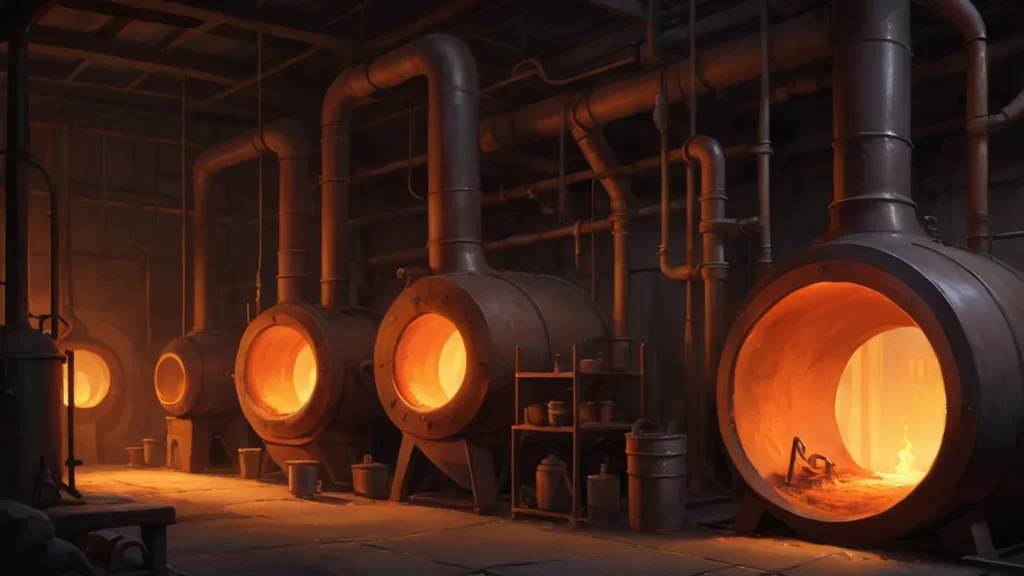
 Chemistry & Materials What Is Glass Made Of?
Most everyday glass is made by melting sand with soda and lime. As the melt cools, its atoms settle into a disordered…
Science world
Chemistry & Materials
What things are made of, and why they fizz, pop, melt and change.
 Chemistry & Materials What Is Glass Made Of?
Most everyday glass is made by melting sand with soda and lime. As the melt cools, its atoms settle into a disordered…
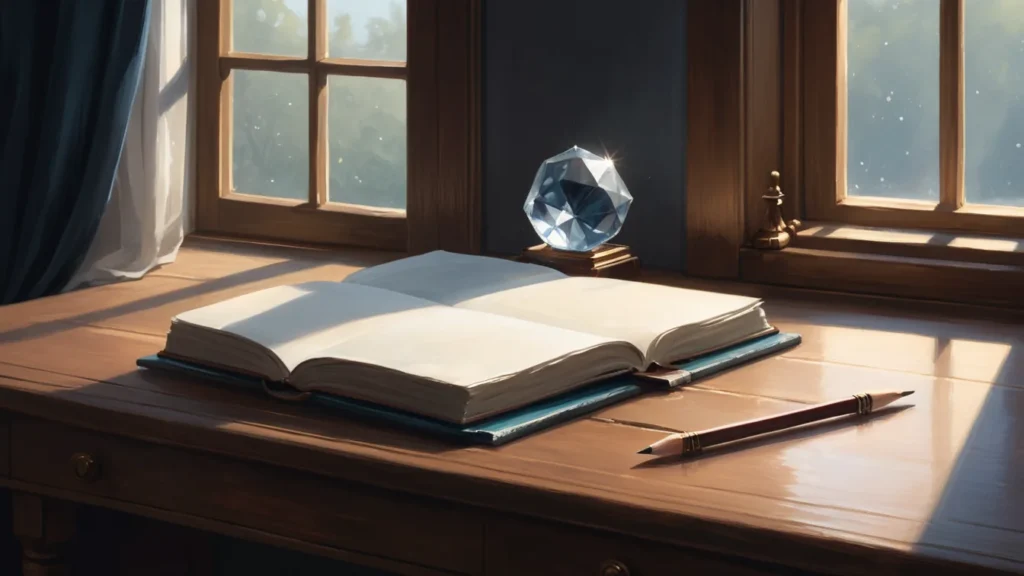 Chemistry & Materials Why Are Diamonds and Pencil Lead Both Made of Carbon?
Diamond and graphite, the soft material in pencils, are both carbon. The difference is how the carbon atoms are arranged, which makes…
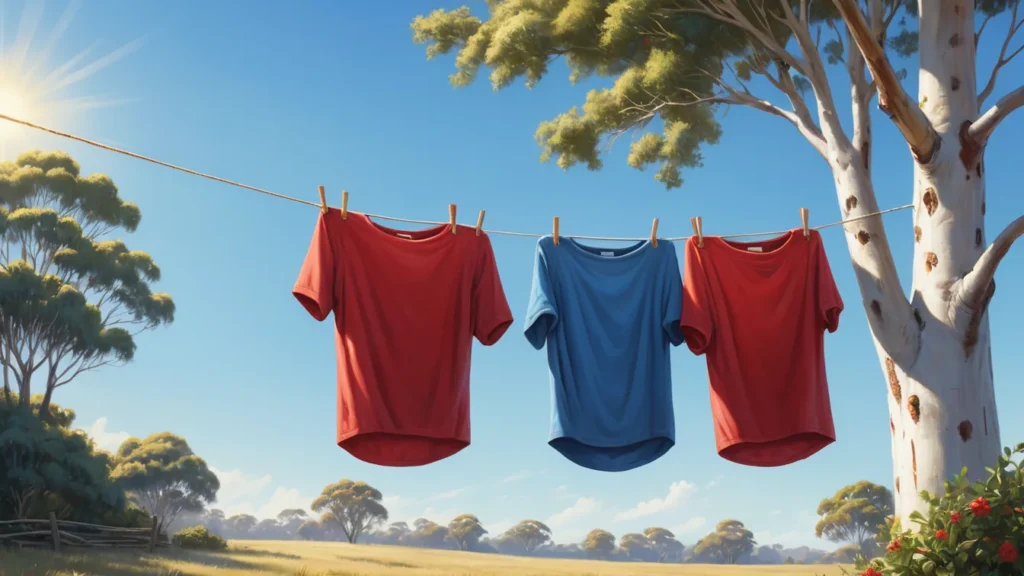 Chemistry & Materials Why Do Clothes Fade in the Sun?
Sunlight carries energy that can change the dye molecules in fabric. Once they change, they absorb and reflect light differently, so the…
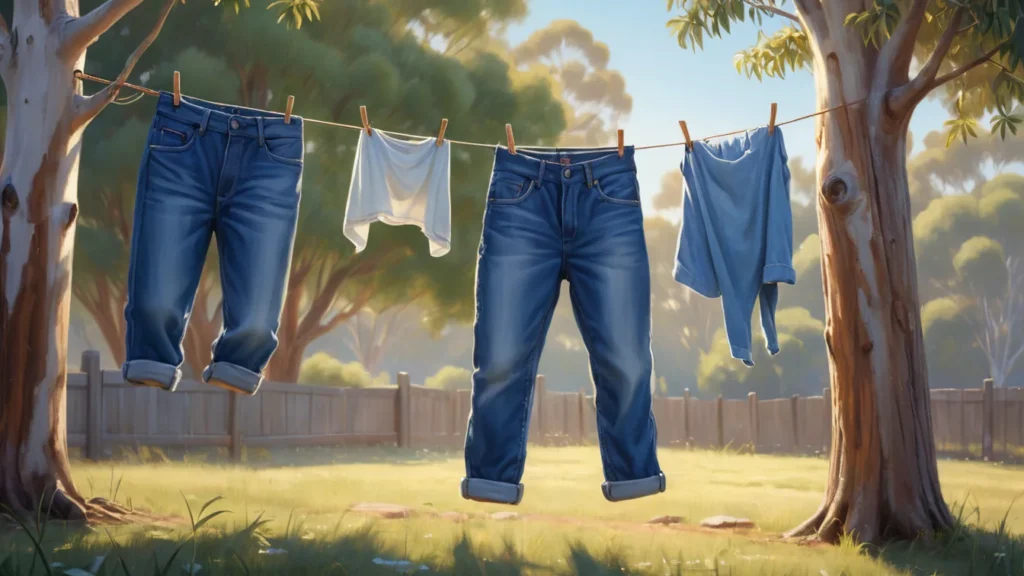 Chemistry & Materials Why Is Denim Blue?
Denim is blue because indigo dye is changed so it can soak into cotton, then air turns it back to blue. A…
 Chemistry & Materials Why Does Copper Turn Green?
A new copper object is shiny and brown-pink. Over time it reacts with the air and turns blue-green. That coating is called…
 Chemistry & Materials What Are Plastics Made Of?
Plastics are polymers, which are long chains of small repeating units. Most start from crude oil or natural gas, and the tiny…
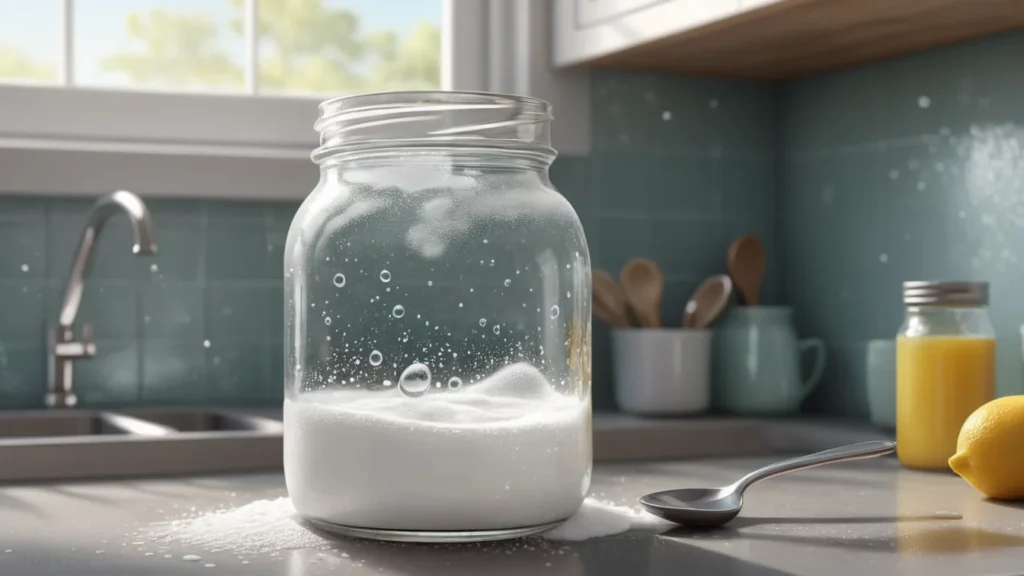 Chemistry & Materials Why Do Baking Soda and Vinegar Fizz?
Baking soda and vinegar fizz because an acid and a bicarbonate react to make carbon dioxide gas. The bubbles are that gas…
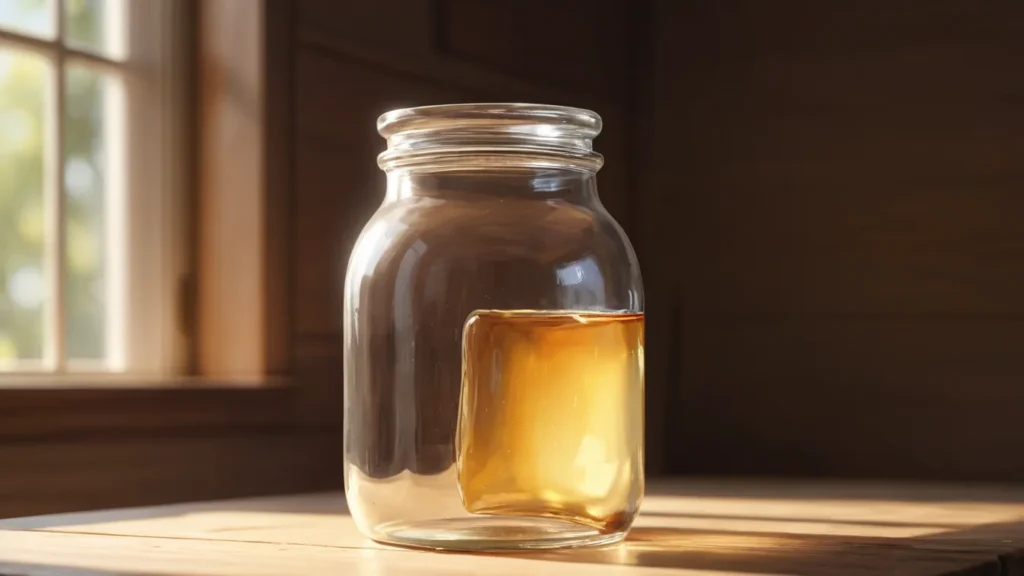 Chemistry & Materials Why Is Glass See-Through?
Glass lets visible light pass because its electrons cannot absorb visible light energy. Its disordered structure also avoids scattering light the way…
 Chemistry & Materials Why Does Salt Melt Ice?
Salt does not heat ice. It lowers the temperature at which salty water freezes, so ice can melt even when it is…
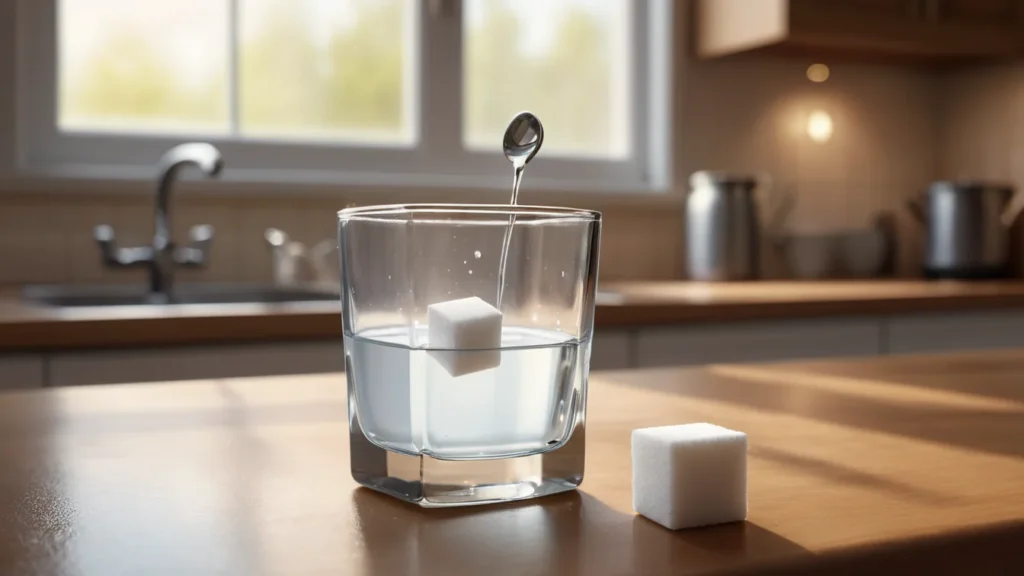 Chemistry & Materials Why Do Some Things Dissolve in Water?
Salt vanishes into a glass of water, but oil stays on top. Water is a polar solvent, so the rule like dissolves…
Interactive Discoveries
Don’t just read it. Try it.
Guided science stories you can play with: make a prediction, run the model, and see the real physics for yourself.
- Why Is the Sky Blue? Slide the Sun down to the horizon and watch the sunbeam change colour. Start the Discovery
- How Do Rainbows Form? Fire light through a raindrop and find the secret 42° angle. Start the Discovery
- Why Does the Moon Change Shape? Move the Moon around Earth and bust the Earth’s-shadow myth. Start the Discovery
- Why Do Things Float? Drop ice, iron and gold into a tank, then build a steel boat. Start the Discovery
- How Do Levers Work? Move the pivot and lift a 120 kg boulder with a small push. Start the Discovery