
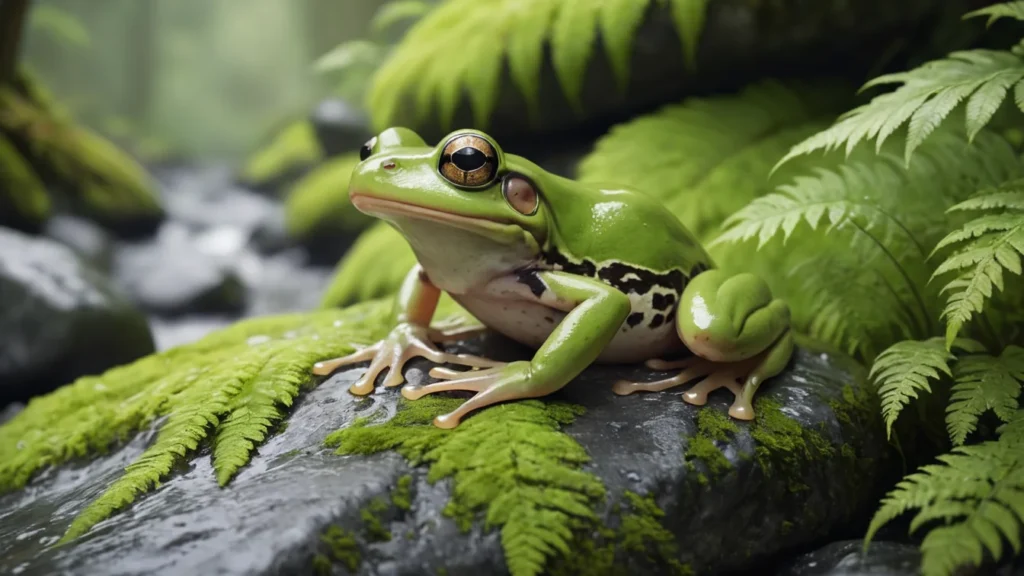
 Biology & Nature How Do Frogs Breathe Through Their Skin?
Frogs take in oxygen through thin, moist skin as well as through their lungs. Skin breathing matters most when a frog rests…
Science world
Biology & Nature
Plants, animals and the living world, from leaves to bees.
 Biology & Nature How Do Frogs Breathe Through Their Skin?
Frogs take in oxygen through thin, moist skin as well as through their lungs. Skin breathing matters most when a frog rests…
 Biology & Nature How Do Bats Use Echolocation to Hunt?
Many bats call out high-pitched sounds and listen for the echoes that bounce back from insects. The timing and pitch of each…
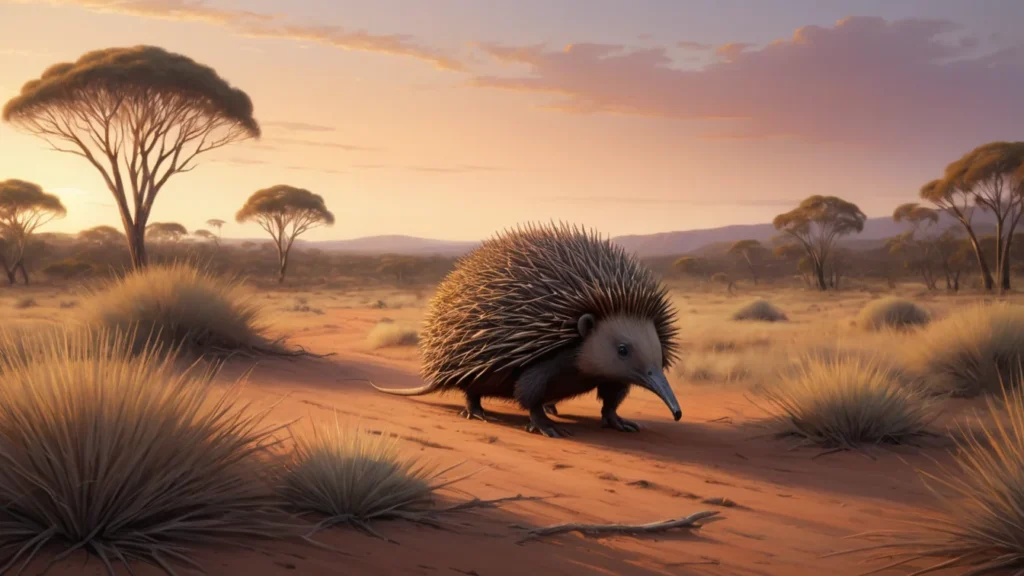 Biology & Nature How Do Echidnas Find Their Food?
Echidnas open ant and termite nests with their claws and catch insects on a long sticky tongue. They also have snout sensors,…
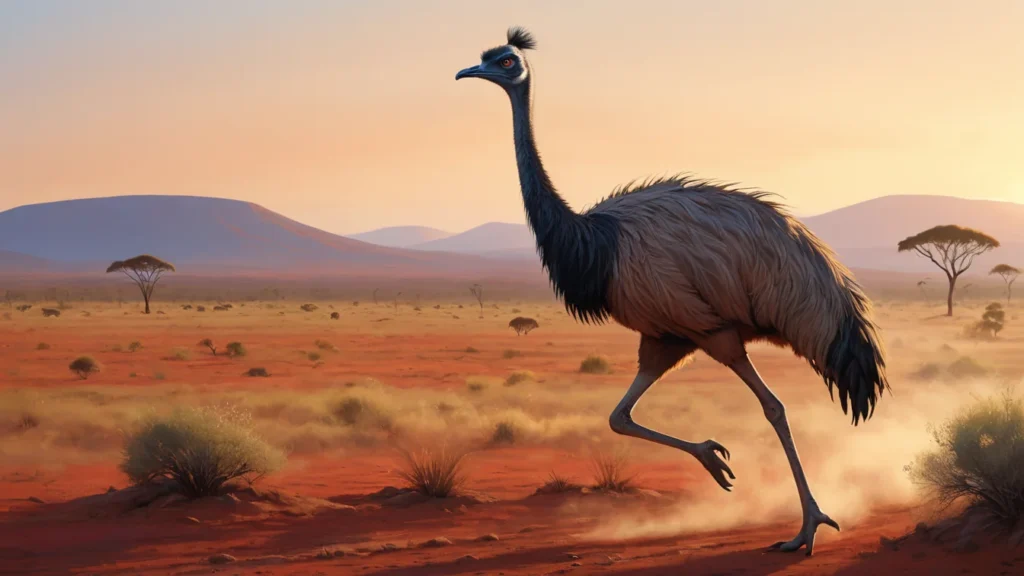 Biology & Nature Why Can’t Emus Fly?
Emus are tall, fast runners with wings too small to lift them. Here is what flight needs, and what scientists have found…
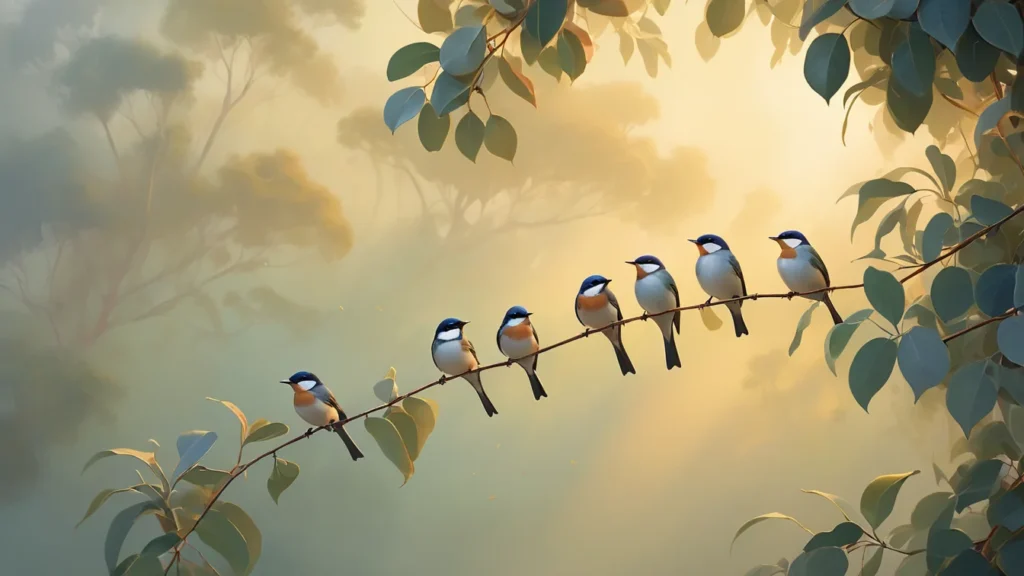 Biology & Nature Why Do Birds Sing at Dawn?
Many songbirds sing hardest just before sunrise. Scientists think the dawn chorus helps birds defend territory and find mates, and one popular…
 Biology & Nature Why Do We Need Sleep?
Sleep gives the brain time to store memories and clear waste. Here is what researchers have found, and what health authorities recommend…
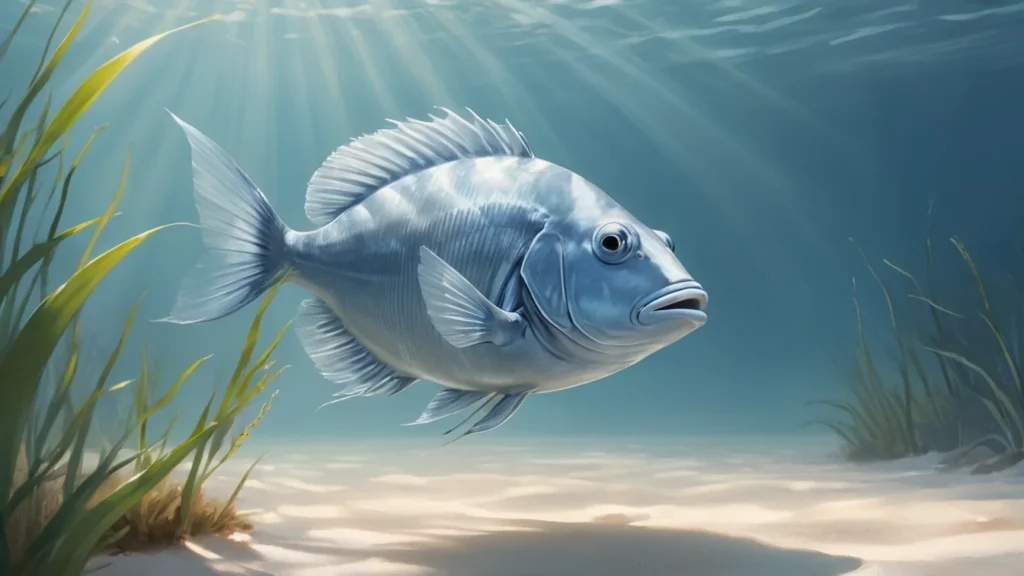 Biology & Nature How Do Fish Breathe Underwater?
Fish take oxygen from water through their gills. Water holds much less oxygen than air, so the gill design has to work…
 Biology & Nature Why Do Some Animals Glow in the Dark?
Some animals make their own light through a chemical reaction called bioluminescence. Australian glow-worms use their glow to catch insects.
 Biology & Nature How Do Our Eyes See Colour?
Your eyes see colour using three types of cone cells, each sensitive to a different range of light. Rods help you see…
 Biology & Nature How Do Volcanoes Erupt?
Volcanoes erupt when magma rises and the gas inside it escapes. How gentle or violent the eruption is depends mainly on how…
Interactive Discoveries
Don’t just read it. Try it.
Guided science stories you can play with: make a prediction, run the model, and see the real physics for yourself.
- Why Is the Sky Blue? Slide the Sun down to the horizon and watch the sunbeam change colour. Start the Discovery
- How Do Rainbows Form? Fire light through a raindrop and find the secret 42° angle. Start the Discovery
- Why Does the Moon Change Shape? Move the Moon around Earth and bust the Earth’s-shadow myth. Start the Discovery
- Why Do Things Float? Drop ice, iron and gold into a tank, then build a steel boat. Start the Discovery
- How Do Levers Work? Move the pivot and lift a 120 kg boulder with a small push. Start the Discovery