
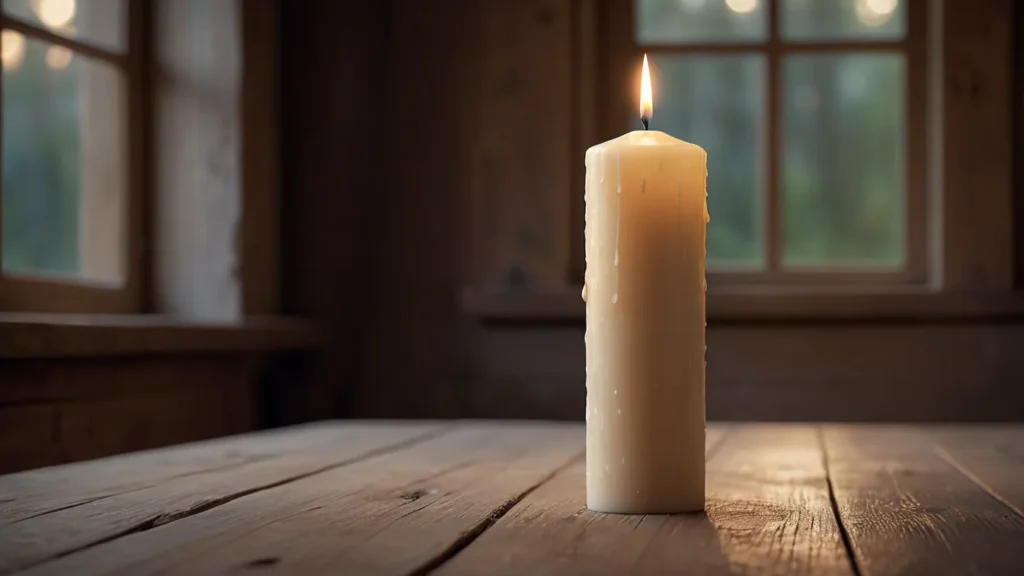
 Chemistry & Materials How Does a Candle Burn?
A candle does not burn as a solid lump of wax. Heat melts the wax, the wick draws it upward, and the…
Science world
Chemistry & Materials
What things are made of, and why they fizz, pop, melt and change.
 Chemistry & Materials How Does a Candle Burn?
A candle does not burn as a solid lump of wax. Heat melts the wax, the wick draws it upward, and the…
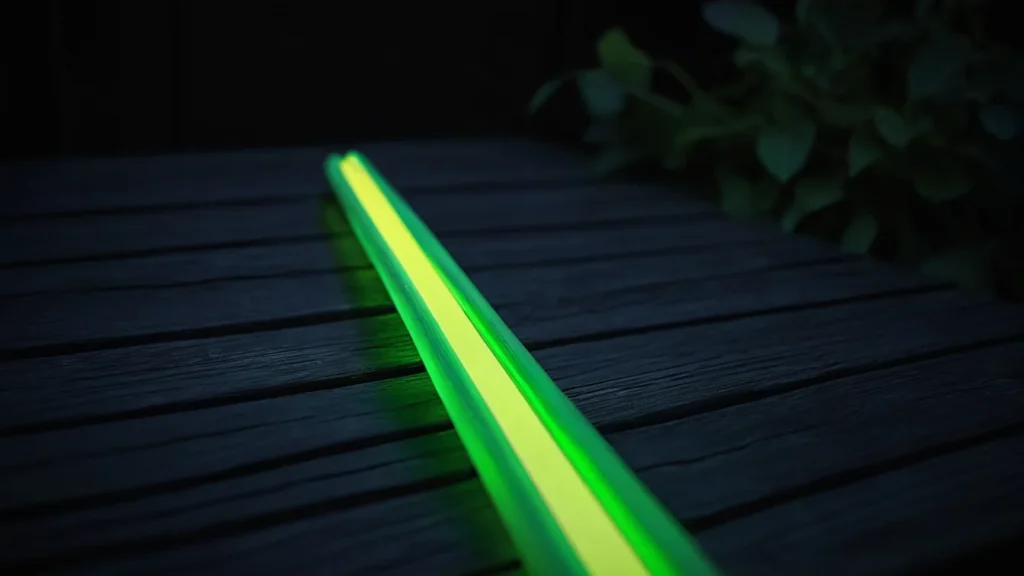 Chemistry & Materials How Do Glow Sticks Glow?
A glow stick makes light from a chemical reaction, not from a battery or a flame. The liquid inside can irritate skin…
 Chemistry & Materials What Makes Fireworks Different Colours?
Each colour in a firework comes from a metal salt that glows when it is heated. Here is how electrons release light,…
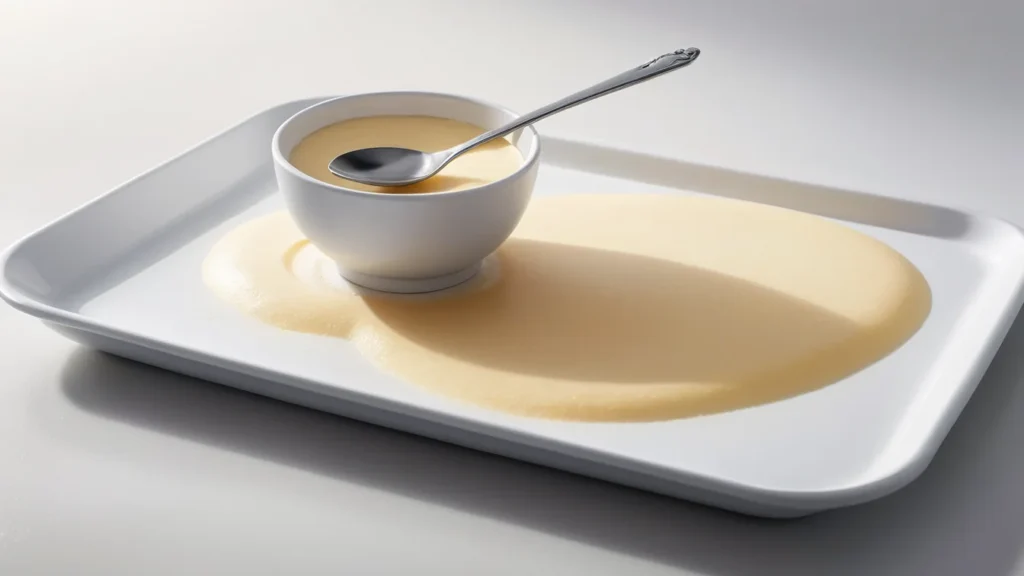 Chemistry & Materials Why Does Cornflour Slime Act Like a Solid and a Liquid?
Cornflour slime pours gently, but it hardens when hit or squeezed hard. This is shear thickening, a behaviour called non-Newtonian.
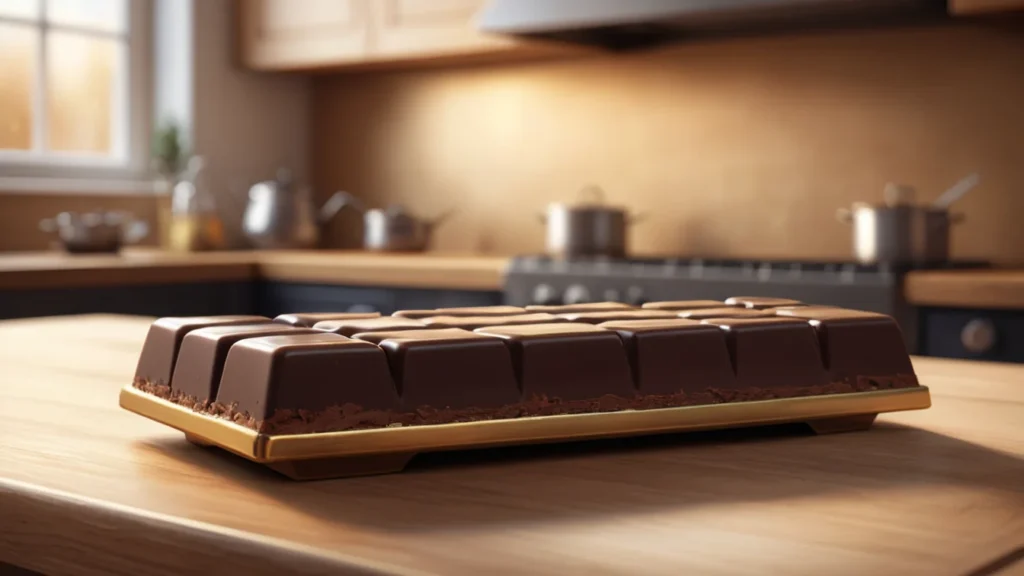 Chemistry & Materials Why Does Chocolate Melt in Your Hand?
Chocolate is solid in the shop and soft in your palm because its fat, cocoa butter, melts close to body temperature. The…
 Chemistry & Materials What Makes the Bubbles in Fizzy Drinks?
Fizzy drinks hold extra carbon dioxide under pressure. When the bottle opens, the gas leaves the liquid as bubbles, and it starts…
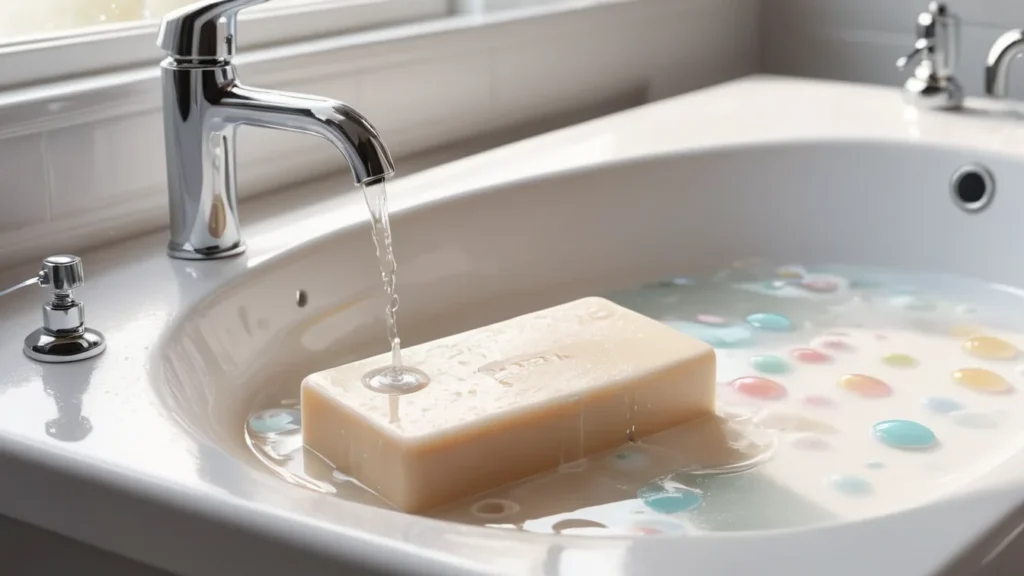 Chemistry & Materials How Does Soap Clean Your Hands?
Water alone cannot lift oily dirt. Soap molecules have two different ends, and together they wrap grease into tiny balls that rinse…
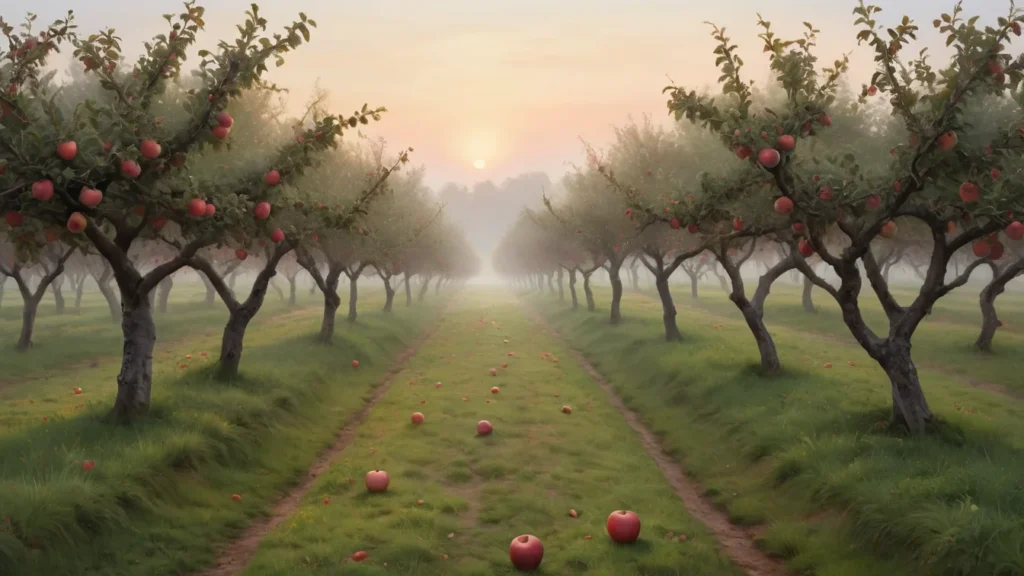 Chemistry & Materials Why Do Apples Turn Brown?
A cut apple browns because an enzyme meets oxygen in the flesh. Lemon juice slows the change, and here is a simple…
 Chemistry & Materials Why Does Iron Rust?
Rust forms when iron reacts with oxygen in the presence of water. Here is what changes in the metal, and a safe…
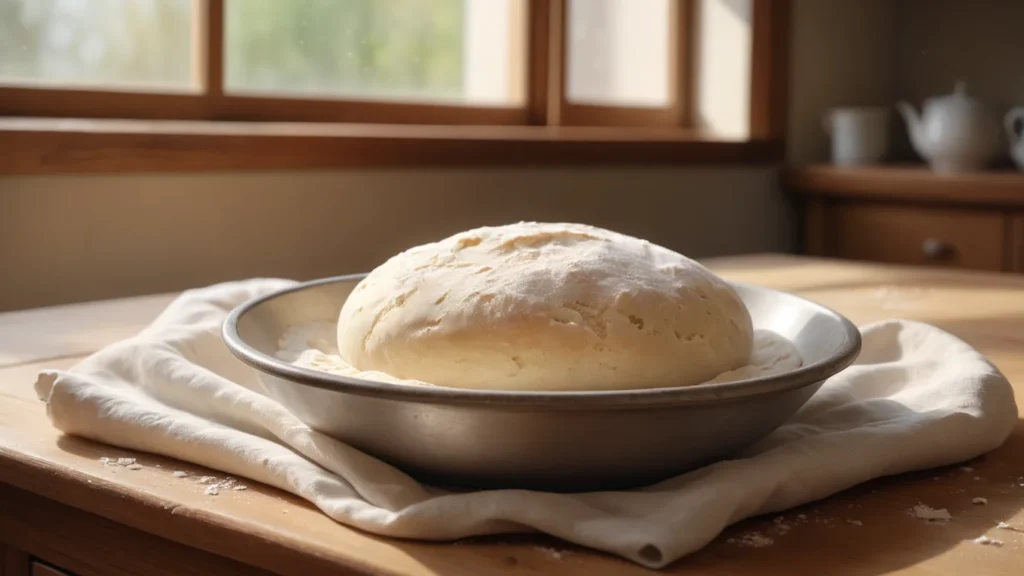 Chemistry & Materials Why Does Bread Rise?
Bread rises because yeast makes carbon dioxide gas and the gluten network in the dough traps it. Here is how the bubbles…
Interactive Discoveries
Don’t just read it. Try it.
Guided science stories you can play with: make a prediction, run the model, and see the real physics for yourself.
- Why Is the Sky Blue? Slide the Sun down to the horizon and watch the sunbeam change colour. Start the Discovery
- How Do Rainbows Form? Fire light through a raindrop and find the secret 42° angle. Start the Discovery
- Why Does the Moon Change Shape? Move the Moon around Earth and bust the Earth’s-shadow myth. Start the Discovery
- Why Do Things Float? Drop ice, iron and gold into a tank, then build a steel boat. Start the Discovery
- How Do Levers Work? Move the pivot and lift a 120 kg boulder with a small push. Start the Discovery