
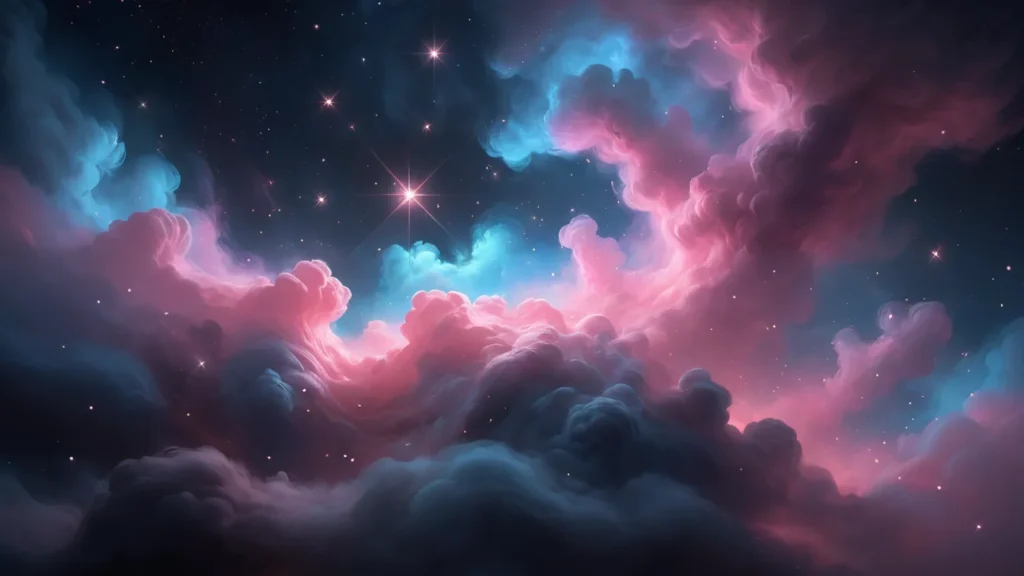
 Space & Astronomy What Is a Nebula?
A nebula is a giant cloud of gas and dust in space. Some nebulae glow, some reflect starlight and some block the…
Science world
Space & Astronomy
The Moon, the stars, the seasons and the sky above Australia.
 Space & Astronomy What Is a Nebula?
A nebula is a giant cloud of gas and dust in space. Some nebulae glow, some reflect starlight and some block the…
 Space & Astronomy Why Is Pluto Not a Planet?
Pluto was once counted as the ninth planet. In 2006 astronomers agreed on three tests for a planet, and Pluto fails the…
 Space & Astronomy What Is a Supernova?
A supernova is an enormous explosion that ends a star's life. Here is how a massive star's core collapses, and how a…
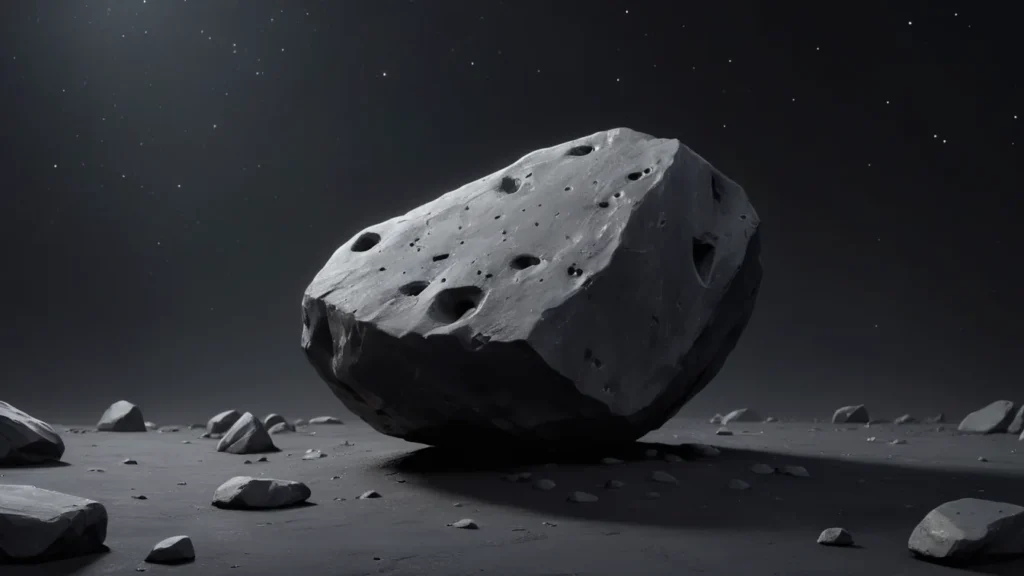 Space & Astronomy What Is an Asteroid?
Asteroids are rocky leftovers from the early solar system. Most of them circle the Sun in a belt between Mars and Jupiter.
 Space & Astronomy Why Is the Night Sky Dark?
The night sky is dark because the universe is not infinitely old, so light from the most distant stars has not had…
 Space & Astronomy Why Do Astronauts Float in Space?
Astronauts float because they are in free fall, not because gravity has gone. At the International Space Station, Earth's pull is still…
 Space & Astronomy What Causes the Aurora Australis?
The aurora australis, or southern lights, is caused by charged particles from the Sun that follow Earth's magnetic field and make gases…
 Space & Astronomy What Are Shooting Stars?
Shooting stars are not stars at all. They are meteors, small space rocks that glow as they hit Earth's atmosphere, and many…
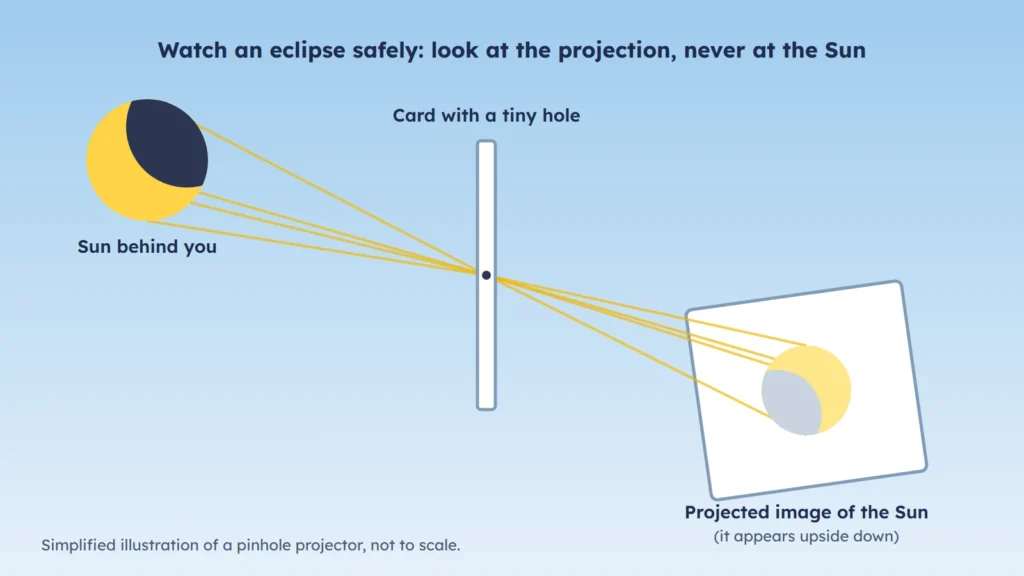 Space & Astronomy What Causes a Solar Eclipse?
A solar eclipse happens when the Moon moves between the Sun and Earth. Here is why it is not a monthly event,…
 Space & Astronomy Why Is Venus the Hottest Planet?
Venus is hotter than Mercury even though Mercury is closer to the Sun. Its thick carbon dioxide atmosphere traps heat in a…
Interactive Discoveries
Don’t just read it. Try it.
Guided science stories you can play with: make a prediction, run the model, and see the real physics for yourself.
- Why Is the Sky Blue? Slide the Sun down to the horizon and watch the sunbeam change colour. Start the Discovery
- How Do Rainbows Form? Fire light through a raindrop and find the secret 42° angle. Start the Discovery
- Why Does the Moon Change Shape? Move the Moon around Earth and bust the Earth’s-shadow myth. Start the Discovery
- Why Do Things Float? Drop ice, iron and gold into a tank, then build a steel boat. Start the Discovery
- How Do Levers Work? Move the pivot and lift a 120 kg boulder with a small push. Start the Discovery