
 Biology & Nature Why Do We Get Goosebumps?
Goosebumps happen when tiny muscles pull the hairs on your skin upright. The reflex is a leftover from our furry ancestors and…
Science world
Biology & Nature
Plants, animals and the living world, from leaves to bees.
 Biology & Nature Why Do We Get Goosebumps?
Goosebumps happen when tiny muscles pull the hairs on your skin upright. The reflex is a leftover from our furry ancestors and…
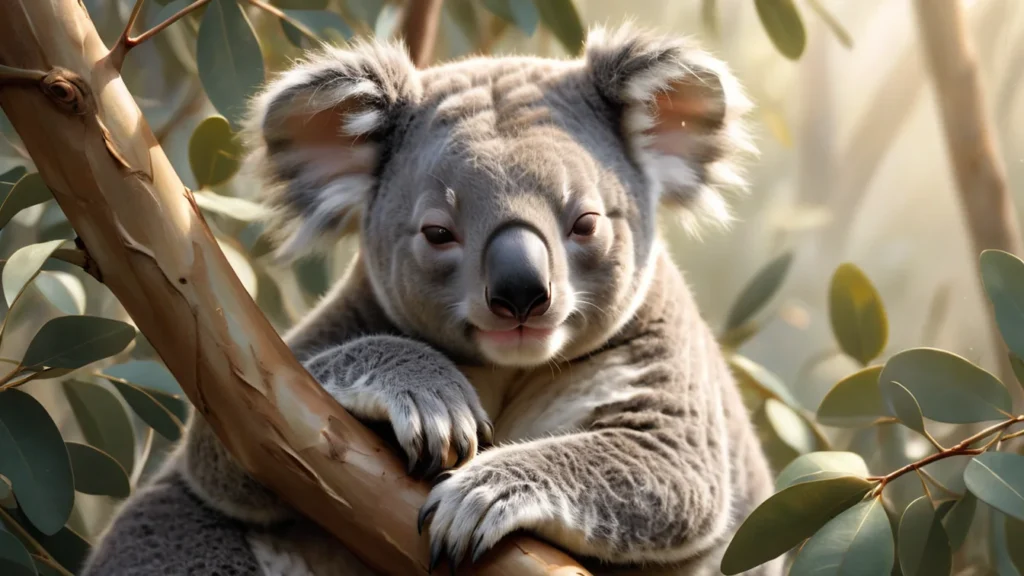 Biology & Nature Why Do Koalas Sleep So Much?
Koalas sleep for around 18 to 20 hours a day because the eucalyptus leaves they eat give them very little energy. Here…
 Biology & Nature How Does Your Heart Pump Blood?
Your heart has four chambers and four valves. It works as two pumps side by side, sending blood to the lungs and…
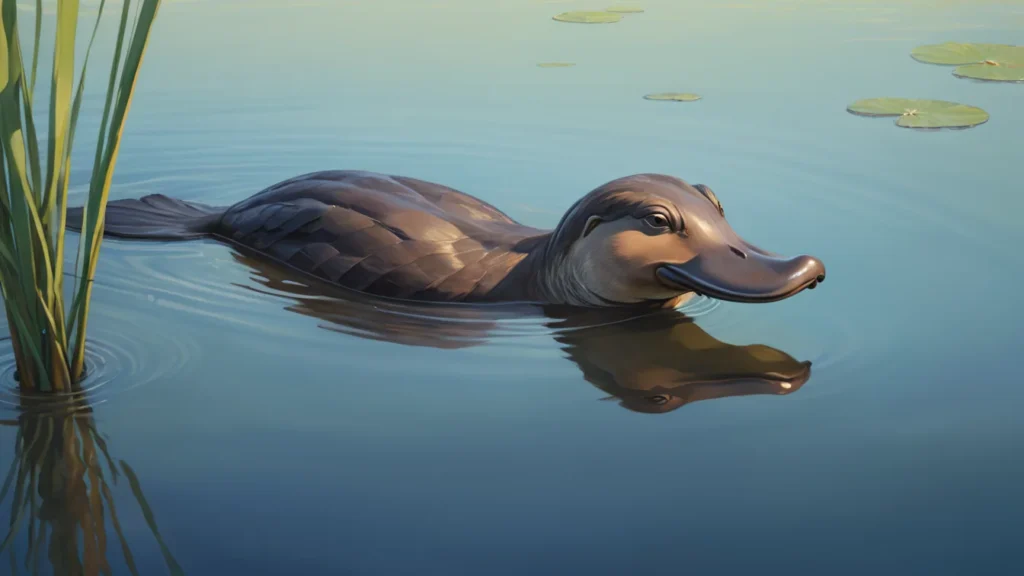 Biology & Nature Why Do Platypuses Lay Eggs?
Platypuses lay eggs because they belong to a group of mammals called monotremes, which kept an egg-laying habit from their ancient ancestors.…
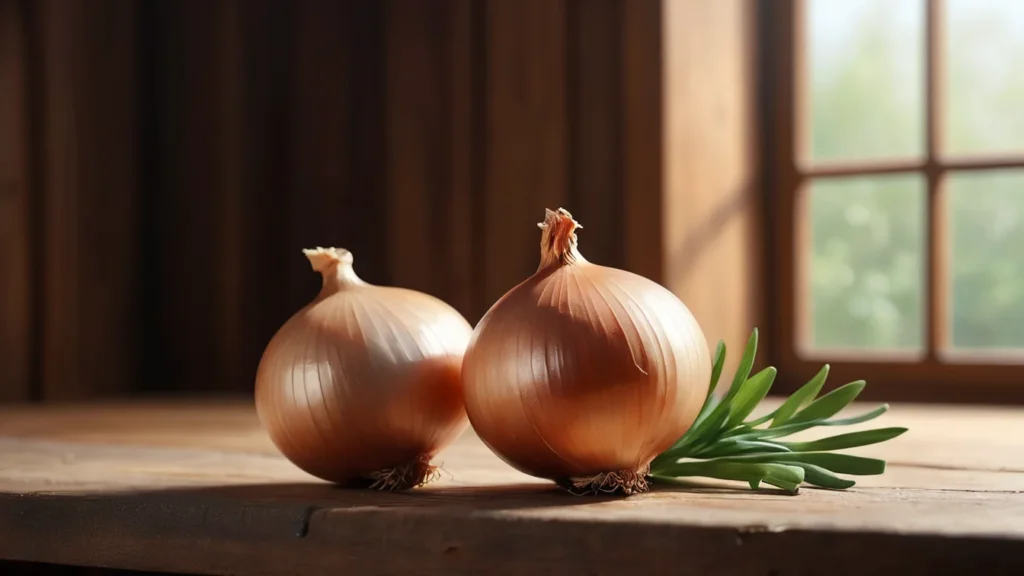 Biology & Nature Why Do Onions Make You Cry?
Cutting an onion breaks open its cells and starts a chemical chain that makes a volatile irritant. It reaches your eyes and…
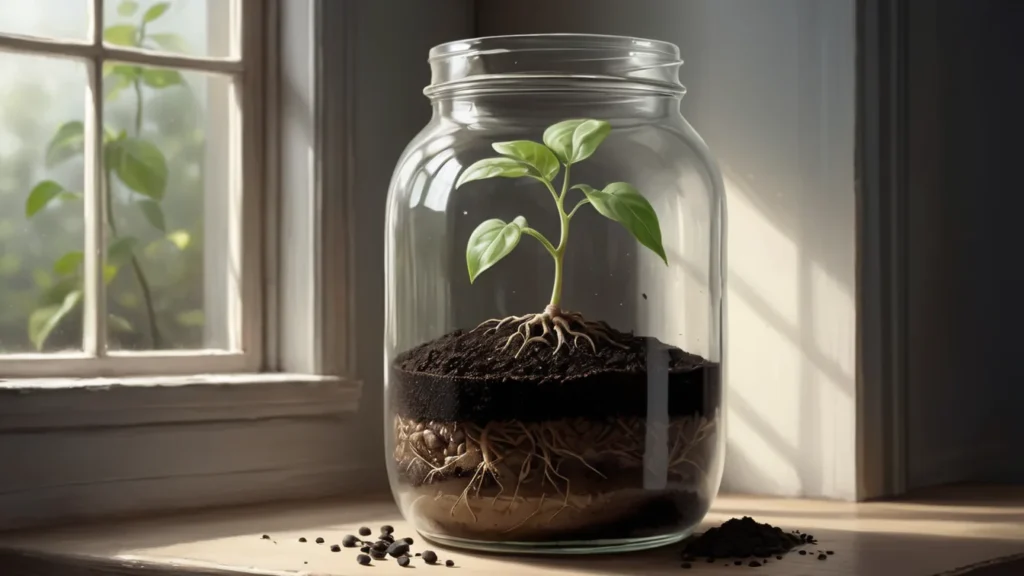 Biology & Nature How Do Roots Know Which Way to Grow?
Plant roots sense gravity with starch-filled particles that settle in the root tip. That signal moves the growth hormone auxin, which makes…
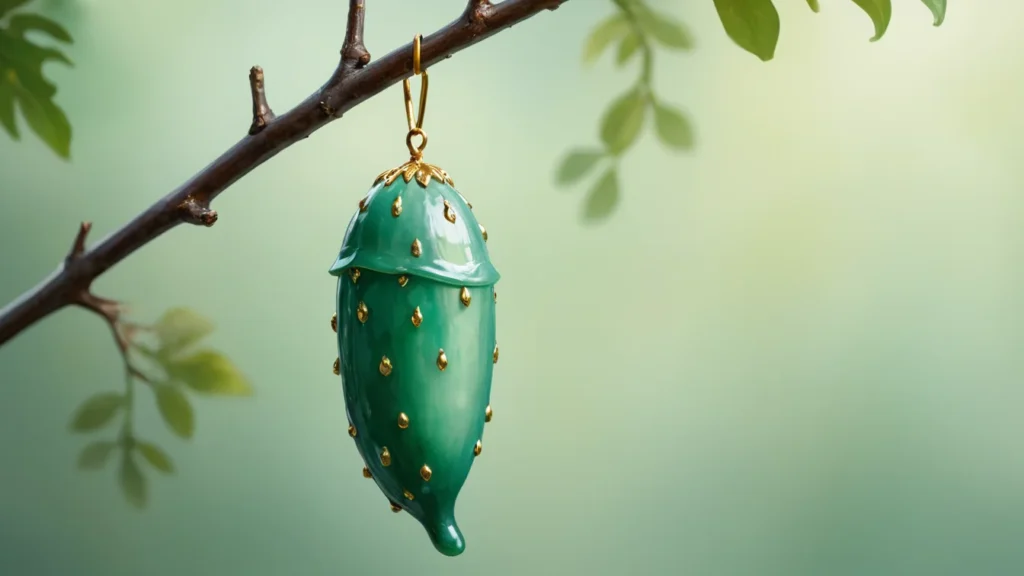 Biology & Nature How Does a Caterpillar Turn into a Butterfly?
Butterflies go through complete metamorphosis: egg, larva, pupa and adult. Inside the chrysalis, the caterpillar's body is rebuilt from groups of cells…
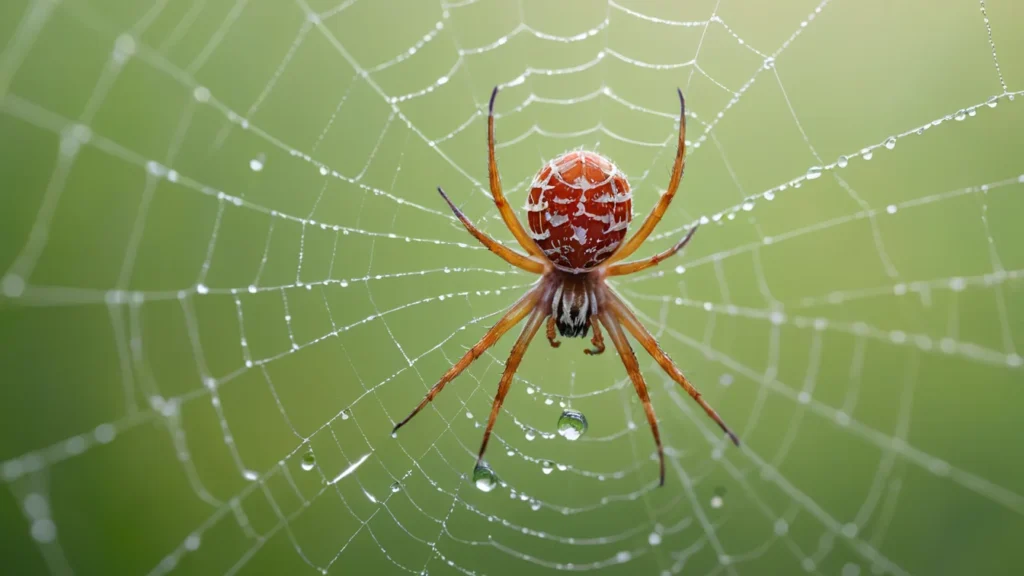 Biology & Nature How Do Spiders Make Silk?
Spiders make silk from proteins stored as a liquid in glands inside their abdomen. The liquid hardens into a solid thread as…
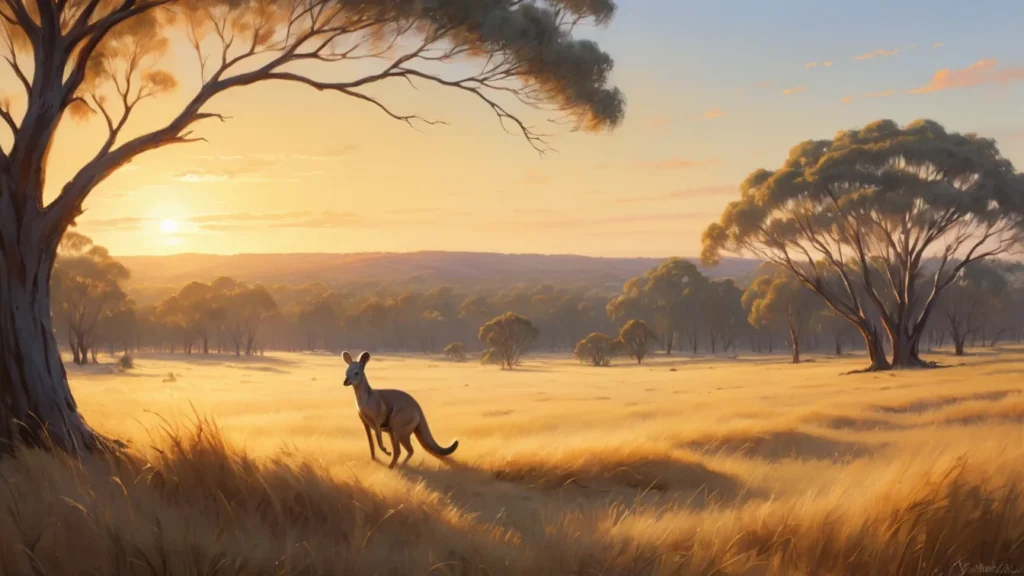 Biology & Nature How Do Kangaroos Hop So Far?
Kangaroos store energy in springy tendons in their back legs. As they hop faster, posture changes may help keep the energy cost…
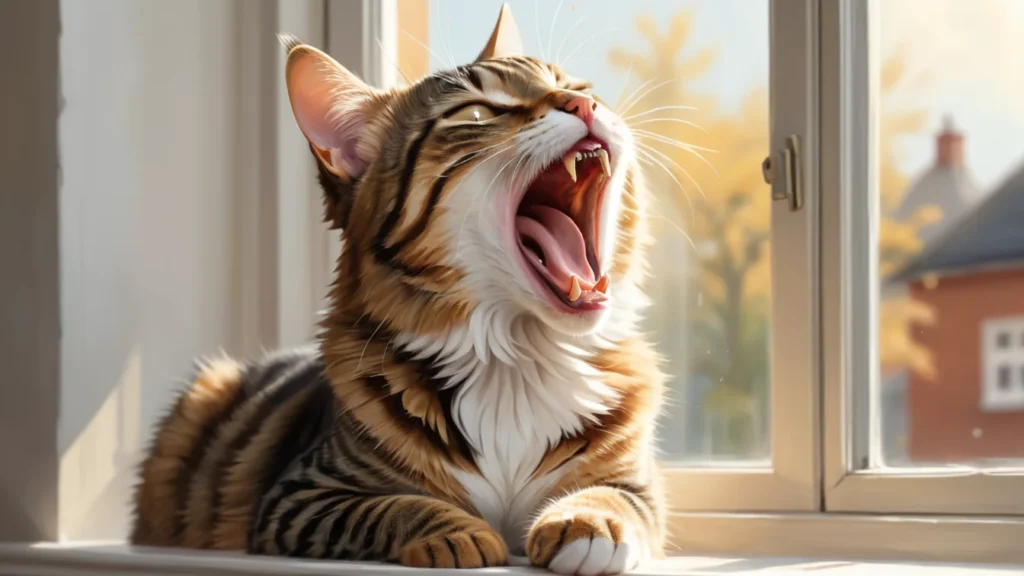 Biology & Nature Why Do We Yawn?
Scientists are still working out why we yawn. The main ideas are brain cooling, a brief wake-up effect and social spreading, and…
Interactive Discoveries
Don’t just read it. Try it.
Guided science stories you can play with: make a prediction, run the model, and see the real physics for yourself.
- Why Is the Sky Blue? Slide the Sun down to the horizon and watch the sunbeam change colour. Start the Discovery
- How Do Rainbows Form? Fire light through a raindrop and find the secret 42° angle. Start the Discovery
- Why Does the Moon Change Shape? Move the Moon around Earth and bust the Earth’s-shadow myth. Start the Discovery
- Why Do Things Float? Drop ice, iron and gold into a tank, then build a steel boat. Start the Discovery
- How Do Levers Work? Move the pivot and lift a 120 kg boulder with a small push. Start the Discovery